How to Pack for Your National Park Trip
Summer is the ultimate season to hit America's national parks — sweeping canyon vistas, wildlife sightings at golden hour, and nights so starry they don't feel real. But showing up unprepared can turn a dream trip into a frustrating slog. Whether you're planning a camping adventure in Yellowstone, a canyon hike through Grand Canyon, or an alpine escape to Rocky Mountain National Park, this packing guide has you covered from trailhead to campsite.
1. Hiking Essentials
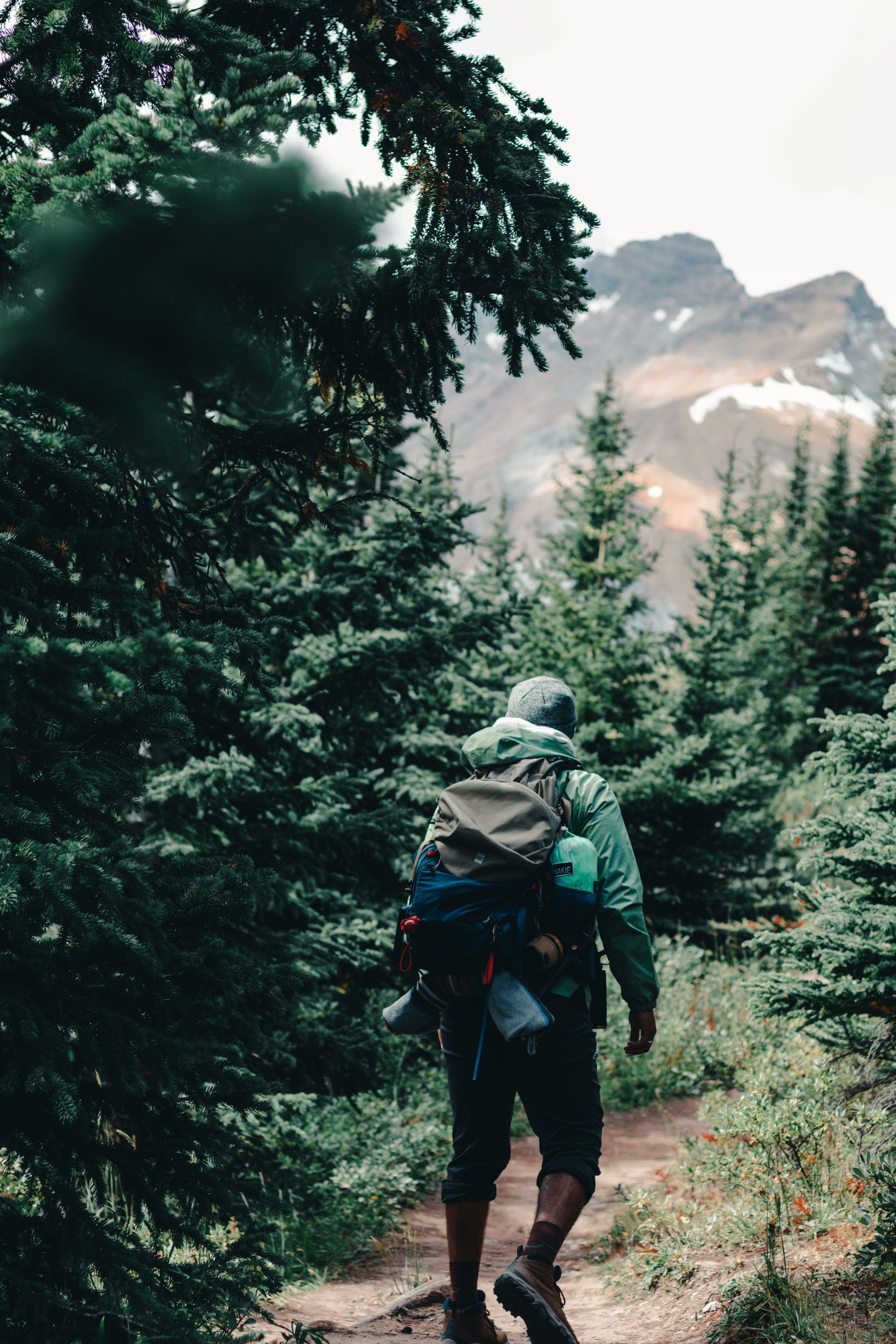
A great pair of hiking boots is the single most important item in your pack. Look for waterproof, ankle-supporting footwear broken in well before your trip — blisters on day one are a vacation killer. Pair them with moisture-wicking wool or synthetic socks, and toss in a spare pair for longer trails.
Trekking poles are a game-changer on steep descents and unstable terrain, especially in parks like Zion or Bryce Canyon where the trails can be relentlessly vertical. Lightweight collapsible models pack down small and are worth every ounce saved.
Your daypack should hold at least 2–3 liters of water (a hydration bladder is ideal), high-energy snacks like trail mix, jerky, and energy bars, a basic first aid kit, sunscreen SPF 50+, and a paper map of the park. Never rely solely on your phone for navigation — cell service in parks is notoriously spotty.
Don't forget a wide-brim hat and UV-blocking sunglasses. High-altitude parks like Rocky Mountain expose you to significantly more UV radiation than sea level — even on cloudy days. A lightweight packable rain jacket is also a must, as afternoon thunderstorms are common throughout the Rockies and Southwest in summer.
2. Camping Gear Checklist
If you're camping, your shelter setup is everything. A three-season tent rated for at least light rain works well across most parks. Look for one with good ventilation to handle warm summer nights, and always stake it down — wind can pick up fast in open parks like Badlands or Joshua Tree.
A sleeping bag rated to 30–40°F covers most summer nights, even at elevation where temperatures can drop dramatically after sunset. Pair it with a compact sleeping pad for insulation from the ground — foam pads are budget-friendly, while inflatable models offer more comfort and pack smaller.
For cooking, a lightweight backpacking stove and fuel canister, a titanium pot and spork, and a portable water filter or purification tablets round out your kitchen kit. Many campgrounds have food storage requirements, so a bear canister or locking food bag is essential in parks like Yosemite and Acadia. Always check the specific park's regulations before you arrive.
Lighting is easy to overlook until you're fumbling around camp at midnight. Bring a reliable headlamp with fresh batteries plus a small lantern for ambient campsite light. The Great Smoky Mountains and other heavily wooded parks can get truly dark once the sun sets.
3. Phone Charging & Power Hacks
Staying powered up in a national park is one of the most common challenges travelers face. A high-capacity portable battery pack (20,000mAh or more) can recharge your phone 4–5 times and will run a headlamp or small speaker too. Charge it fully before you leave home and top it off at any electric hookup campsite.
Solar chargers are a smart backup, especially on multi-day backcountry trips. Fold-out panels like the BioLite SolarPanel attach to the outside of your pack and trickle-charge a battery bank while you hike. They won't replace a wall outlet, but they can meaningfully extend your battery life on sunny days — which is most summer days in the Southwest.
Pro tip: Put your phone in airplane mode while hiking to dramatically extend battery life. Download offline maps via Google Maps, AllTrails, or Gaia GPS before you leave cell range. Most park visitor centers also have charging stations — worth stopping at when you pass through.
4. Transportation Tips & Gear
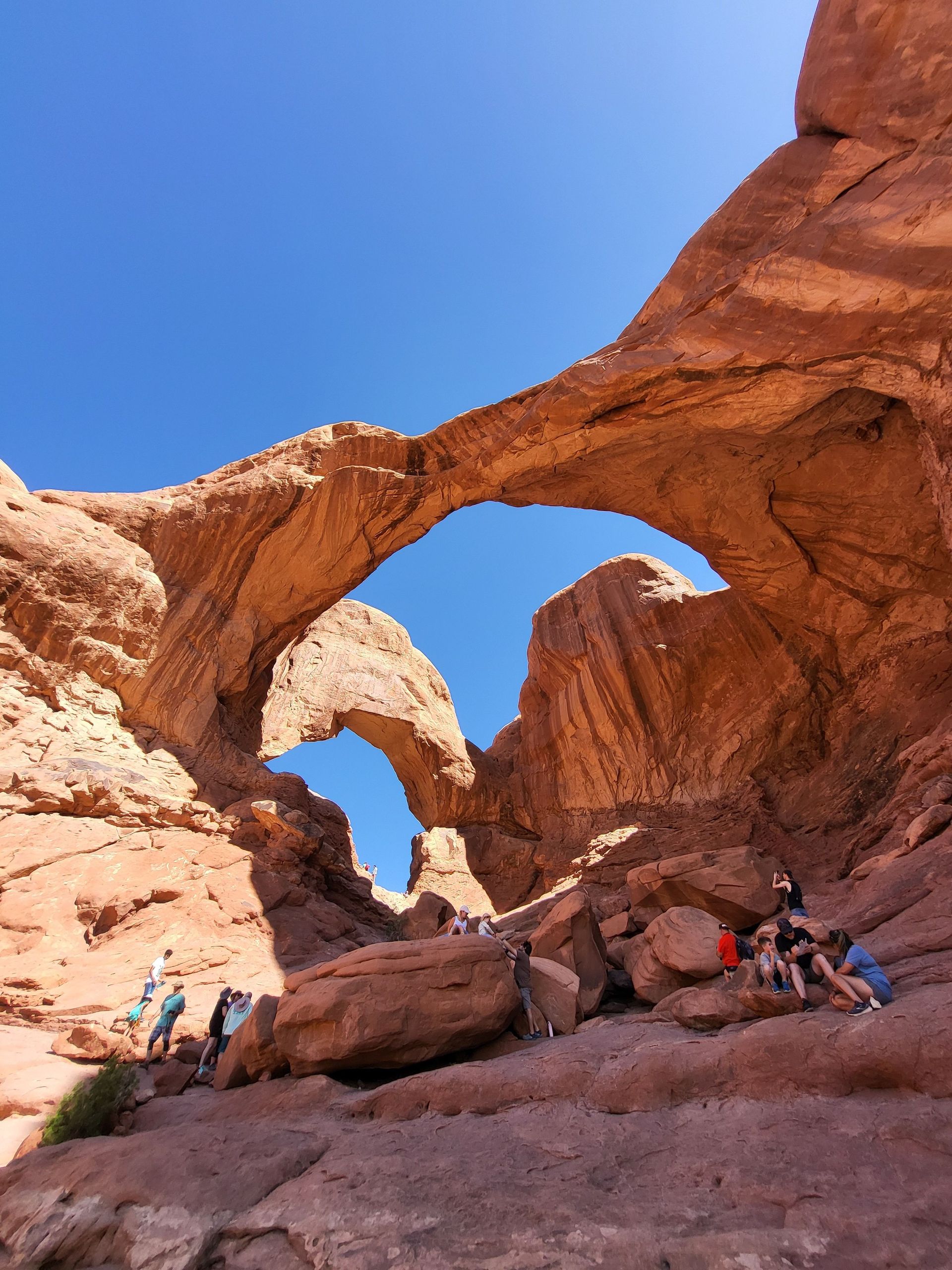
Getting around inside national parks is half the adventure — and half the headache if you're not prepared. Many popular parks like Arches and Canyonlands near Moab require timed entry reservations in summer, so book these weeks in advance. Arriving early (before 8am) remains the most reliable way to beat crowds and secure a parking spot.
Most major parks operate free shuttle systems in peak season — use them. Not only does it eliminate parking stress, shuttles often stop at trailheads that are difficult or impossible to access by personal vehicle. Download the park's official app or grab a transit map at the entrance gate.
If you're road-tripping between parks, keep a physical road atlas in the car alongside your GPS. Gas stations can be 50+ miles apart in remote areas, so fill up whenever you're above half a tank. Pack a basic car emergency kit: jumper cables, a tire inflator, a flashlight, and water for both you and the radiator.
5. Leave No Trace Essentials
Being a responsible visitor means packing out everything you bring in. Bring a few reusable silicone bags or lightweight stuff sacks dedicated to trash — including food scraps, which should never be left behind. Pack biodegradable soap for washing dishes and hands well away from any water source.
A small trowel is necessary for backcountry camping where restroom facilities don't exist — bury waste 6–8 inches deep, 200 feet from water and trails. Wag bags (portable waste disposal systems) are required in some parks and highly recommended everywhere. Many trailheads now stock them for free.
Finally, respect wildlife by keeping a safe distance — a minimum of 100 yards from bears and wolves, 25 yards from other animals. Never feed wildlife, no matter how insistently that chipmunk at Cuyahoga Valley begs. It harms the animals and can result in fines.
Ready to Explore?
America's national parks are among the most extraordinary places on the planet, and a little preparation goes a long way toward making your visit unforgettable. Pack smart, plan ahead, and leave the trails better than you found them. From the misty ridgelines of the Smokies to the alien hoodoos of Bryce Canyon, your summer adventure is waiting — and now you've got everything you need to tackle it.
Ready to plan your trip? Browse our complete National Park trip guides for destination-specific tips on lodging, activities, and must-see spots.
Read More